AEO  ·  Answer Engine Optimization

The AEO Agency That Gets You
Cited—Not Just Ranked.

Answer Engine Optimization is the discipline that determines whether your brand appears inside AI-generated answers from ChatGPT, Perplexity, Gemini, and Google AI Overviews. We engineer that presence — and track it weekly with a citation matrix that shows exactly who’s winning and who’s losing. As an AI marketing agency specializing in answer engines, we optimize for citations, not just rankings.

Get your free AEO baseline → See how we do it ↓
4+ AI engines tracked weekly · Weekly citation matrix included · 0 penalties, ever
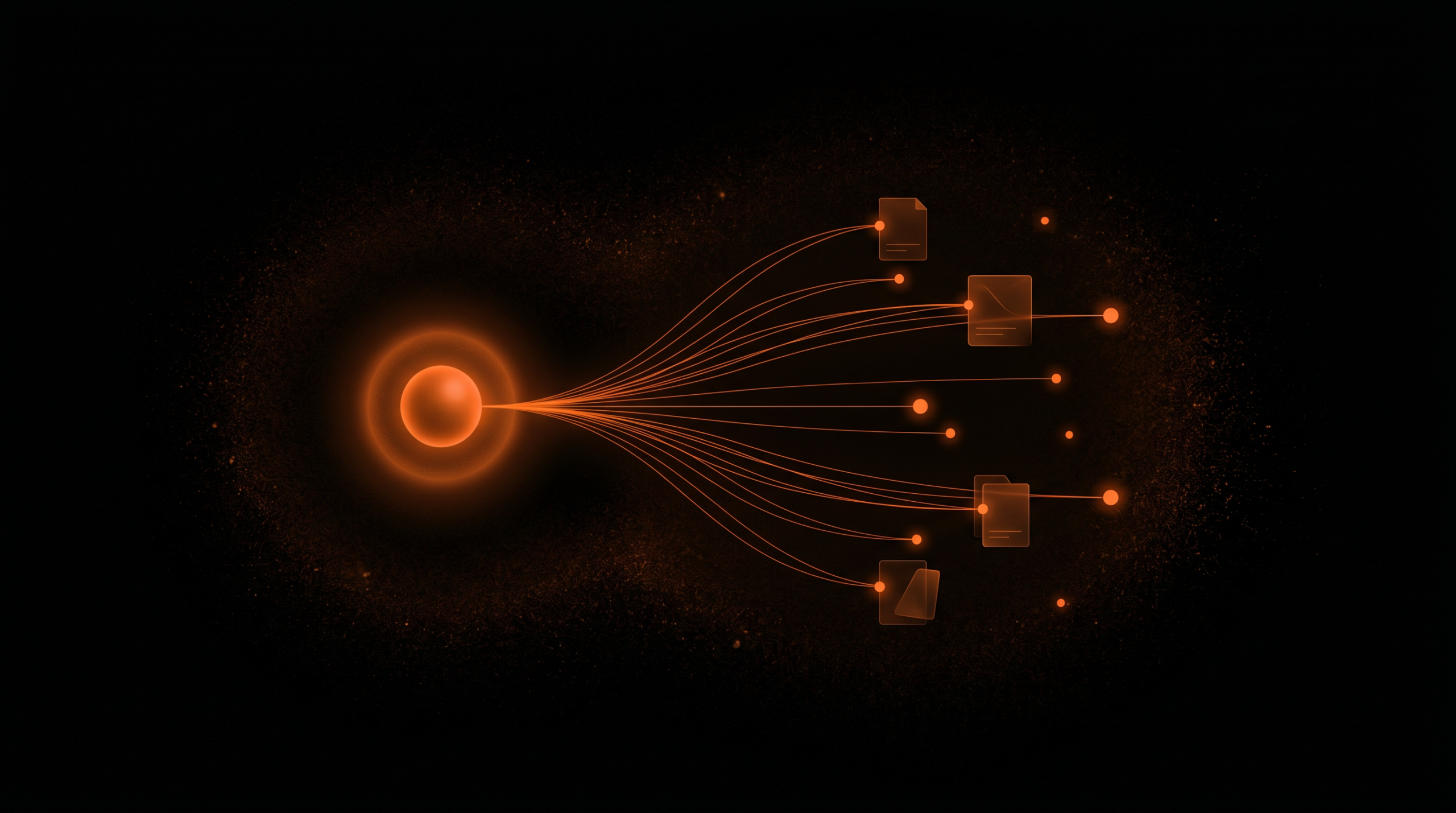
Answer Engine Optimization visualized — an AI answer engine selecting which brand sources to cite, the citation layer an AEO agency engineers and tracks.
How answer engines choose which brands to cite — the citation layer AEO engineers and measures weekly.

The Discipline

What Is Answer Engine Optimization?

Answer Engine Optimization (AEO) is the practice of structuring your brand’s content, schema markup, and entity signals so that AI answer engines—ChatGPT, Perplexity, Gemini, Google AI Overviews, and Claude—cite your brand when generating responses to buyer queries.

It is not SEO for AI. SEO targets ranked positions in a list of blue links. AEO targets the generated paragraph that now appears above those links—or instead of them entirely. When someone asks an AI assistant “who is the best AEO agency?” or “what’s a reliable marketing agency in San Diego?” there is no page of links returned. There is one answer, citing two or three sources. Those sources are your competitors if your AEO isn’t working.

AEO requires entity-first content architecture, structured data (FAQPage, HowTo, Service schema), clean canonical structure, and citation corroboration across authoritative external sources. It also requires measurement—because unlike traditional SEO rankings you can see in a dashboard, AI citations are invisible unless you specifically query each engine weekly.

~50%

of searches now return an AI-generated answer before the first blue link

3

sources cited on average in an AI-generated answer response

<1%

of agencies measure AI citations weekly with engine-specific tracking

The Distinction

AEO vs SEO: Why Good Rankings Don’t Guarantee AI Citations

The most common misconception in the market right now: if my SEO is strong, I’ll show up in AI answers. In our citation audits, we find this to be false more often than not. Brands ranking #1 on Google are regularly invisible in ChatGPT, Perplexity, and Gemini for the same queries.

This happens because AI engines don’t read your domain authority score. They read entity clarity, structured data quality, corroboration signals, and content architecture. A brand with a DR of 12 and excellent AEO foundations will often outrank a DR 70 brand that has never structured its entity.

Traditional SEO

  • Targets ranked positions in search results
  • Prioritizes backlinks & domain authority
  • Keyword density & on-page optimization
  • Measured in rank positions (1–100)
  • Invisible in AI-generated answers

AEO — Answer Engine Optimization

  • Targets citations inside AI-generated answers
  • Builds entity clarity & structured data
  • Q&A content architecture & schema
  • Measured in citations won / lost per week
  • Visible where the next buyer is searching

The Method

How Our AEO Service Works

Five layers, run in sequence, measured from week one. No monthly PDF reports — a live dashboard you can check any time.

Step 01

Citation Baseline Audit

We run your 20 highest-intent buyer queries through ChatGPT, Perplexity, Gemini, and Google AI Overviews and log the results: cited or not, which position, which URL, which competitor took your spot. You get a structured baseline matrix on day one — no estimates, no projections. Just the current state of your AI visibility, in writing, signed by the founder.

Step 02

Entity & Knowledge Graph Structuring

AI engines don’t search the web the same way Google does. They build entity graphs — networks of trusted relationships between brands, topics, and people. We define your entity clearly: who you are, what you do, where you operate, what topics you’re authoritative on, and who corroborates that authority. Schema markup (Organization, Service, FAQPage, Person), canonical signals, and entity disambiguation across all mentions of your brand.

Step 03

AEO-Formatted Content Creation

AI engines extract content that is written to be extracted. We produce Q&A-structured long-form content, comparison pages, and definitional explainers targeted at the specific buyer queries where you need to appear. Every piece is written to match the extraction patterns of each engine — Perplexity cites differently than Gemini, which cites differently than ChatGPT. We don’t write generic blog posts. We write citation-optimized content with each engine’s retrieval behavior in mind.

Step 04

Weekly Citation Tracking via Foundry Metrics™

Every week, we re-run your buyer query set across all four AI engines and update your citation matrix. Won citations, lost citations, position changes, new competitor appearances — all logged with date and screenshot evidence. You can open your dashboard any day and see the current state of your AI visibility, not the state it was in last month when your agency pulled a report. Foundry Metrics™ pulls from live query results, not third-party estimations.

Step 05

Iteration & Citation Expansion

Every week’s citation matrix drives the next week’s work. A query where your competitor holds a citation is a content and entity brief. A citation you won last month and lost this week is a signal to investigate. We operate in weekly loops — not monthly reports — because AI models update their retrieval behavior continuously, and so does your competitive set. As your citation footprint expands, we expand the query set and identify adjacent topic clusters where your brand can own the answer.

AEO + GEO

AEO Wins the Question. GEO Wins the Entity.

AEO gets you cited when someone asks a specific question your content answers. GEO ensures that large language models include your brand in generative responses about your category — even when the question isn’t a direct match to any content you’ve published. The two disciplines share an entity foundation but operate at different layers of AI retrieval. The brands that win AI search in the next three years will run both, together.

See our GEO service →

Proof

Results You Can Verify

Every result we cite is screenshot-verified from live platform dashboards. No estimates. No "up to" numbers. This is what our full-funnel approach — including AEO/GEO, paid media, and content — produces for clients.

+1,854%

Online store revenue growth
Month-over-month · Shopify verified

10.1×

Google Ads ROAS
$8.6K spent → $86.9K returned

$1.11M+

Attributed organic revenue
NY market · 14-month engagement

See all verified results →

FAQ

AEO Questions, Answered

What is an AEO agency in marketing? +
An AEO agency (Answer Engine Optimization agency) specializes in getting your brand cited inside AI-generated answers from ChatGPT, Perplexity, Gemini, and Google AI Overviews. Unlike traditional SEO agencies that target ranked blue links, an AEO agency targets the AI answer layer — the generated paragraph that opens most queries. Note: in marketing, AEO stands for Answer Engine Optimization and is entirely unrelated to "Authorized Economic Operator," a trade and customs designation.
How do I get my brand cited in ChatGPT? +
Getting cited in ChatGPT requires building a clear, authoritative brand entity with: (1) structured schema markup defining who you are and what you do, (2) corroboration across multiple authoritative external sources, (3) Q&A-formatted content that directly answers high-intent buyer queries, and (4) clean canonical signals — no duplicate content, one authoritative URL per topic. We structure all five layers and track weekly whether citations appear.
How is AEO different from SEO? +
SEO targets ranked positions in a list of search results — the page of blue links. AEO targets AI-generated answer responses, where there is no list of links, only a generated paragraph citing one to three sources. The mechanics are fundamentally different: SEO prioritizes backlinks and domain authority, AEO prioritizes entity clarity, structured data, and content written to be extracted as a direct answer. A brand can rank first on Google while being completely absent in AI answers.
How long does AEO take to show results? +
For brands with some existing presence, initial citation movement typically appears within 6–12 weeks. For new brands building entity signals from zero, meaningful citations take 3–6 months. We provide a citation baseline on day one and track movement weekly — so you see exactly when citations appear and what drove the change. Progress is measured, not estimated.
Which AI engines do you optimize for? +
ChatGPT (OpenAI), Perplexity AI, Google Gemini (including Google AI Overviews), and Anthropic's Claude. We also monitor Bing Copilot for clients in B2B markets. Each engine has different retrieval patterns — our AEO strategy is engine-specific, not one-size-fits-all.
Do I need AEO if I already have strong SEO? +
Yes. In our citation audits, we regularly find brands ranking in the top three positions on Google while receiving zero citations in ChatGPT or Perplexity for the same queries. The ranking signals that win traditional search differ from the entity signals that win AI citation. Strong SEO creates a foundation, but AEO-specific work is required to translate that authority into AI visibility.
What’s the difference between AEO and GEO? +
AEO gets specific content extracted and cited for specific questions. GEO builds the brand-entity signals that make LLMs include you in generated responses about your category — even when the question doesn't directly match your content. AEO wins the question; GEO wins the entity layer. The most effective AI search strategies run both simultaneously on a shared entity foundation.
What is Answer Engine Optimization? +
Answer Engine Optimization (AEO) is the discipline of structuring your brand’s content, schema, and entity signals so that AI answer engines — ChatGPT, Perplexity, Gemini, Google AI Overviews, and Claude — cite your brand when generating responses to buyer queries. It differs from SEO in that you are not chasing ranked positions on a list of links; you are competing to be the extracted authority in a generated paragraph. AEO requires entity-first content architecture, FAQPage and HowTo schema, clean canonical signals, and corroboration across multiple trusted sources.
How do you measure AEO results? +
We measure AEO through Foundry Metrics™, our in-house citation tracking layer. Every week, we run your highest-intent buyer queries through ChatGPT, Perplexity, Gemini, and Google AI Overviews. We log: whether your brand was cited (yes/no), which position in the response, which URL was cited, and what claim the AI attributed to you. Results are tracked week over week so you can see won citations, lost citations, and which competitor took each position. Every client gets a live dashboard showing this data alongside organic and paid performance — all from source APIs.

Get Started

Find Out Who’s Taking Your AI Citations Right Now

MAD1SON FOUNDRY is the AI marketing agency that treats citations as the new conversion. We’ll run your highest-intent buyer queries through ChatGPT, Perplexity, and Gemini and deliver a baseline citation matrix — free, in 48 hours, signed by the founder.

Get your free citation baseline → Book a strategy call